






After spending several years working towards recovering from the damaged state of the economy as a result of the COVID-19 pandemic, many Colorado residents are still uncertain or what to expect. The national economic status is still reeling from the impacts of the pandemic and supply chain disruption, despite the efforts of the Federal Reserve to repair the marketplace. Let's take a look at what impacts Colorado's economic status, and what we can expect from the future.
What Does Colorado's Economy Look Like in 2023?
As a Colorado resident, it's important to keep an eye on the state of the economy. Let’s take a look at where it is midway through 2023.
Main economic contributors
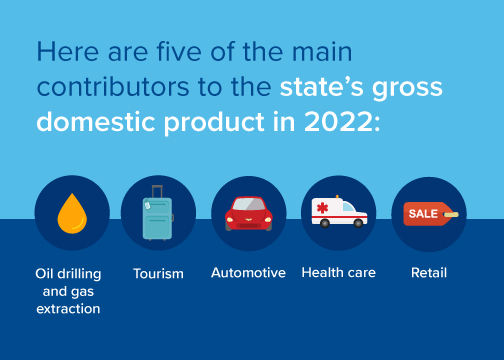
Every state in the country has industries that it relies on for stimulus to the economy, and some were more harshly impacted in 2020 than others. In Colorado, there is a historical reliance on agriculture and mining, but the modern age has ushered in new trends. Here are five of the main contributors to the state's gross domestic product in 2022:
- Oil drilling and gas extraction.
- Tourism.
- Automotive.
- Health care.
- Retail.
 Colorado's Main Economic Contributors
Colorado's Main Economic Contributors
Now that we understand the value that Colorado's geographic diversity and monetary diversification bring to financial markets, we can move on to the current state of the economy.
Colorado in 2023
U.S. News and World Report rank all 50 states' economic status, based on several factors. Colorado has specifically succeeded in ranking highest in overall employment, contributing to increased confidence in the economy. In addition, the state's business environment and overall economic growth are in the top five in the nation, according to U.S. News and World Report's data. These factors have contributed to Colorado having the third most thriving economy, just under Utah and Idaho.
All signs point to continued growth, but political leadership in the country is still wary of the future. These concerns come on the heels of two U.S. banks closing, and their impacts on technology startups in the state. The entire country is keeping an eye out for the potential of a recession and increasing interest rates — economic elements that will certainly impact Colorado.
The future
While nothing is 100% certain, economists look at things like the unemployment rate, inflation and interest rates to predict what the future may hold. Governor Polis has been working with non-partisan legislation to boost Colorado's workforce, which may act as a buffer against any negative future economic impacts. In addition, at the end of March 30 the Colorado Office of Economic Development and International Trade's Economic Development Commission granted more than $14 million in economic incentives for businesses in order to boost the economy.
With external factors like the Colorado River crisis and continuing inflation, residents should communicate with their bankers to understand how these events could impact their personal finances. Are you ready to bank with a local Colorado bank that understands the ins and outs of the local economy? Reach out to Vectra Bank today.
Content is offered for informational purposes only and should not be construed as tax, legal, financial or business advice. Please contact a professional about your specific needs and advice. Content may contain trademarks or trade names owned by parties who are not affiliated with Zions Bancorporation, N.A. Use of such marks does not imply any sponsorship by or affiliation with third parties, and Zions Bancorporation, N.A. does not claim any ownership of or make representations about products and services offered under or associated with such marks.