





Have you heard of credit scores? Probably. Are you sure how they work? Maybe not.
Let’s break down credit scores so you can better understand — and improve — yours.
What Is a Credit Score?
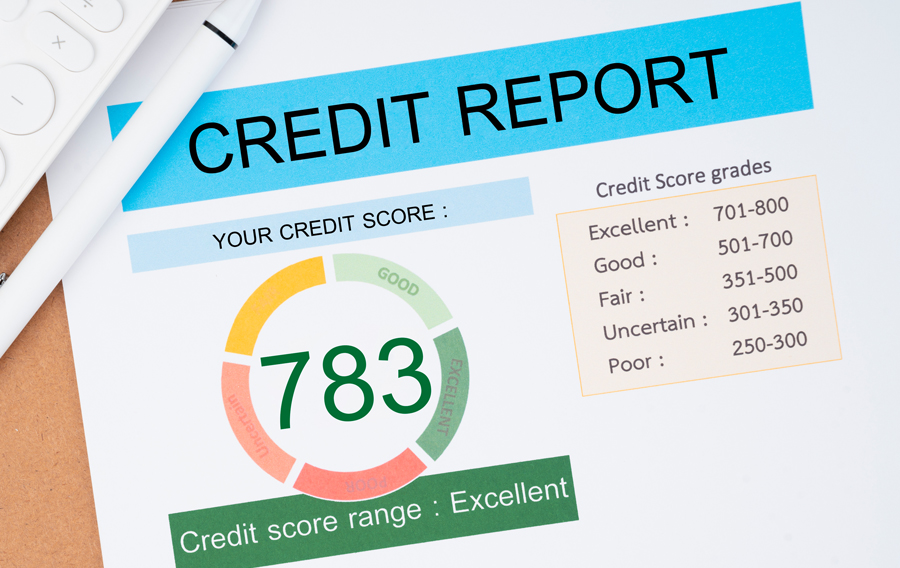
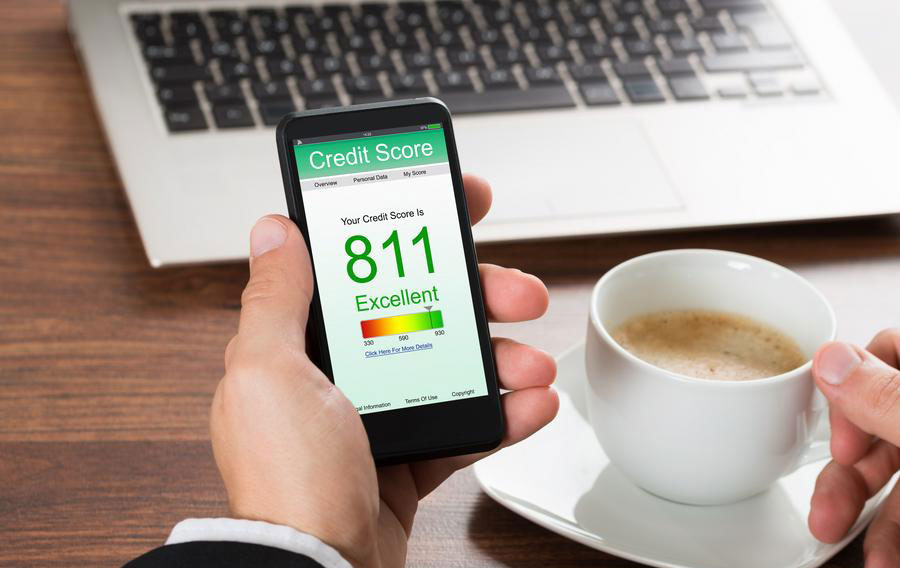
Your credit score is an indicator of your creditworthiness. It’s a metric financial institutions and others use to determine how likely you are to pay back a loan or fulfill other financial obligations. There are different credit scoring models, but FICO and VantageScore are two main ones.
What Determines Your Credit Score?
Your financial history determines your credit score. Factors include:
- Payment history: If you pay all your debts, debt installment payments and bills on time, you’ll likely have a good credit score. On the other hand, late payments will hurt your score.
- Debt utilization: How often and why you use debt can also affect your score. Certain types of debt, such as a mortgage, are often necessities for most of us. Something like a high credit card balance or payday loans, however, might indicate you’re on shaky financial ground.
- Length of credit history: Age correlates positively with credit score. If you’ve never had a credit card or taken out a loan before, which is often the case for young people, then you’ll have no credit history. A senior has decades of credit history and, if it’s positive, that accumulates into a high score.
- New account applications: If you’ve applied for three credit cards in the past year, for example, this might be an indication that you’re struggling financially.
Who Determines Your Credit Score?
Different bureaus may calculate your score differently. The three major credit bureaus in the U.S. are Equifax, Experian and TransUnion.
What’s a Good Credit Score?
A good credit score might make a lender more inclined to loan you a larger amount, possibly with a better interest rate. What’s considered “good” depends on the institution, the amount of credit you’re applying for and the purpose of the loan. Here’s a general breakdown of credit scores:
- Poor: 300–579
- Fair: 580–669
- Good: 670–739
- Very good: 740–799
- Excellent: 800–850
Tips To Help Improve Your Credit Score
Here are some things you can do to help boost your credit score:
- Pay on time: Paying your bills on time is crucial to your credit score. It takes about six months for timely payments to boost your score.
- Increase your credit line: If a credit increase is available to you on a credit card or line of credit, you should take it. Even if — actually, especially if — you never use the added credit, it will help your score.
- Check your credit report for errors: You’re entitled to one free credit report each year from the main credit bureaus. Checking your report for errors annually is wise.
- Include other payment information: You can enroll in a service that includes other payment information, such as your rent and utilities payments. Enrolling in something like Experian Boost can raise your credit score quickly if you have a good track record with these payments.
Learn More About Your Credit
Want to learn more about the credit available to you? Contact a Vectra Bank professional today.