





Buying a home is expensive. In many places, it’s more expensive than it’s ever been, and this has been fuel for many discussions in banks, political chambers, and around dinner tables. But while we talk a lot about what it costs to buy a home, wedon’t talk enough about how much it costs to own a home.
Buying a Home
Homeownership has long been a dream for many. A little over 1 million Americans achieved that dream and bought their first home in 2024. This accounts for about one-fifth of all home buyers — an all time low. In fact, the median age of the first-time homebuyer is 40 — an all-time high.
Clearly, it’s difficult for young people, and even middle-aged people, to get on the housing ladder. But buying a home remains an excellent financial investment, not to mention a life-affirming decision. This is why so many people badly want to finally buy a home.
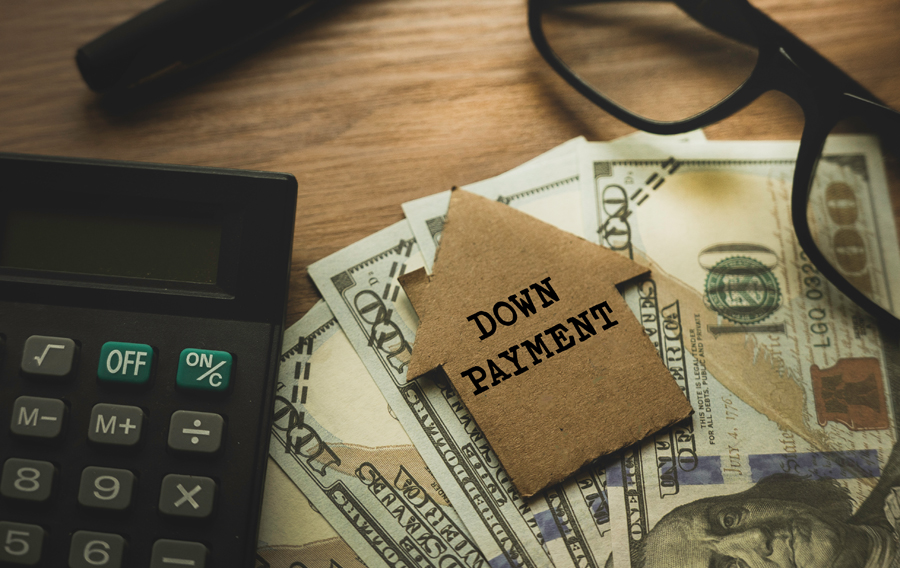
But this desire can cloud some realities. Saving enough for a down payment and securing a mortgage* to buy a home is wonderful and increasingly impressive. But that’s not all the money that’s required, because it costs money to own a home as well.
The Costs of Homeownership
Some costs of homeownership are obvious. These include:
- Property tax: When you own a home, you have to pay tax on that property.
- Home insurance: Lenders will require you to pay an insurance premium to financially protect your home should anything happen to it.
- Mortgage: If you took out a mortgage on your home, as many do, you have to make monthly payments towards that.
Most people understand these costs, but there are more to consider.
The Hidden Costs
Let’s look at some costs people don’t discuss as much. These include:
- Condo and Homeowners Association (HOA) fees: Condominium buildings, townhouse complexes, and HOAs collect fees to cover shared amenities and neighborhood upkeep. These costs can vary widely. HOAs and condos may also conduct special assessments for big projects (like replacing water pipes or roofs), which require additional payments.
- Utilities: Many renters pay for utilities directly, while others’ utility payments are included in their rent. However, moving into a house means paying for utilities such as water, electricity, and gas yourself. And remember, larger homes have higher utility costs.
- Private Mortgage Insurance (PMI): If you contribute less than 20% as a down payment, lenders will require a monthly fee until you reach sufficient equity.
- Maintenance and repairs: It’s wise to budget 1%-4% of your home's total value annually for paying for repairs and upkeep. This includes HVAC service, gutter cleaning, re-shingling a roof, and water heater replacement.
- Landscaping and pest control: Owners of houses are responsible for maintenance such as yard work, dead tree removal, and pest prevention fall entirely on you.
- Moving: Don’t forget to factor in the cost of moving itself.
Buying and Owning a Home Starts With a Plan
It’s important to consider all the above costs early. You don’t want to end up thinking you’ve saved enough, only to discover the financial realities mean you must wait longer. Contact a Vectra Bank professional today, and we’d be happy to help with your dreams of buying and owning a home.
*All loans subject to credit approval; terms and conditions apply. Contact a banker for full details.