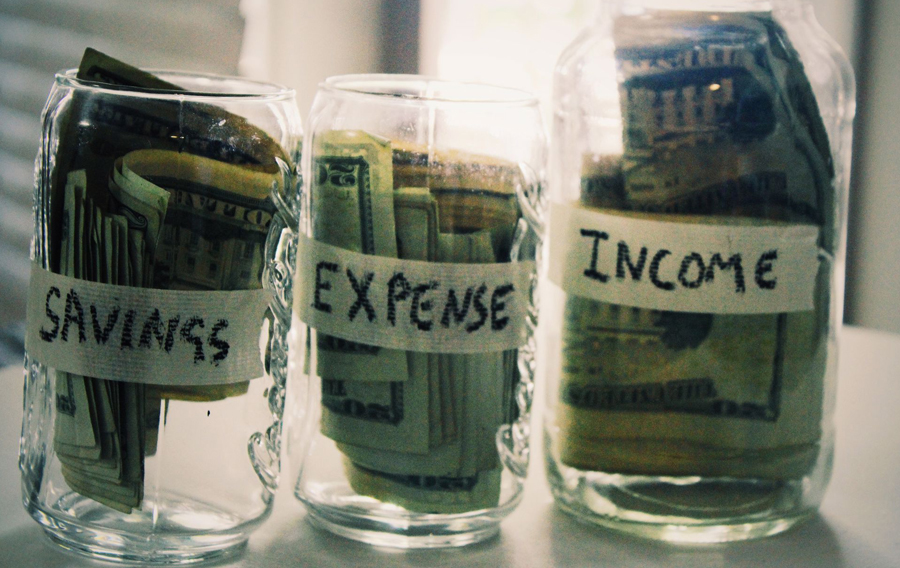






Most people keep their money in two places: checking and savings. The two accounts serve different purposes. One is used for everyday spending. The other is meant for money you don’t expect to use right away.
The question many people run into is fairly straightforward: How much should stay in each account?
There isn’t one answer that fits everybody. Your income, spending habits and financial goals all play a role. Still, there are a few simple guidelines that can help you think about how to divide your money.
What Checking Accounts Are For
Your checking account is where most financial activity happens. Paychecks usually land there first, and most bills are paid from it.
Think about the costs that show up every month. Housing payments. Groceries. Utilities. Gas. Small purchases that add up during the week.
That’s what checking accounts are designed to handle.
Because this account supports regular spending, it helps to keep enough money there to cover those expenses without constantly moving money around.
Many people aim to keep roughly one month of expenses in checking, sometimes a little more.
Why a Cushion Helps
Bills don’t always arrive on the exact day you expect. A larger grocery trip or an unexpected expense can also throw off a monthly budget.
Keeping a small cushion in checking helps prevent overdrafts and makes day-to-day spending easier to manage.
For example, if your monthly expenses are around $3,000, having roughly that amount — or slightly more — in your checking account usually provides enough room to cover regular spending.
Don’t keep all your money there; just enough to support your normal routine.
Where Savings Come In
Savings accounts serve a different role. The money there is usually meant to sit untouched unless something important comes up.
Savings often hold money set aside for expenses like:
- Emergency expenses
- Car or home repairs
- Medical bills
- Travel or larger purchases
Unexpected costs happen from time to time. A broken appliance. A repair you didn’t plan for. Even a temporary change in income.
Savings can help absorb those situations.
A common recommendation is to build an emergency fund equal to three to six months of essential expenses. The exact amount depends on your circumstances and comfort level.
If a household needs about $3,000 each month for essential costs, that might mean building savings somewhere between $9,000 and $18,000 over time.
Finding the Right Balance
For many people, checking handles the short term, while savings handles the longer term.
A simple system works for many households. Paychecks go into checking. Bills and everyday purchases come out of that account. If money remains at the end of the month, part of it can move into savings.
Over time, that routine helps build a financial cushion without complicating everyday finances. The balance between checking and savings will likely change as life changes.
Reviewing your accounts occasionally can help make sure your money is organized in a way that still makes sense.
If you’d like help reviewing your accounts or building a savings plan, a Vectra Bank professional can walk you through options that fit your situation.