






Life is full of surprises, and not all of them are pleasant. That's where an emergency fund comes in. It's like a financial safety net, ready to catch you when unexpected expenses come your way. So, let's explore why an emergency fund is essential and how you can build one.
Building an Emergency Fund: Why and How
Build a financial safety net with an emergency fund to protect against life's unexpected expenses. Learn key steps to save effectively and maintain financial security.
Why is having an emergency fund important?
An emergency fund is essentially a financial buffer designed to cover unexpected expenses. These could range from sudden car repairs to unforeseen medical bills, or even a job loss. The primary purpose of this fund is to provide financial security during times of crisis, preventing the need to rely on credit cards or loans, which could lead to long-term debt.
So, how much should you save? A common guideline is to have enough to cover three to six months of living expenses. However, this can vary based on your lifestyle, job stability and family responsibilities. For instance, if you're self-employed or the sole earner in your family, you might want to aim for a larger cushion, possibly up to eight months of expenses.
Steps to build your emergency fund
Follow these steps to build your fund:
- Select the right account: Start with choosing a suitable place to keep your emergency fund. A basic savings or money market account is ideal. Look for one that offers easy access but isn't too tempting for everyday use. Some accounts even offer a small yield, but watch out for any with high minimum balance requirements or fees.
- Set a savings goal: Assess your monthly expenses and set a realistic target for your emergency fund. This goal should reflect your unique financial situation and provide enough cushion to feel secure.
- Start small: Don't worry if you can't save a large amount immediately. Begin with what's manageable for you, even if it's as little as $50 a month. Automating your savings can help make this process consistent and less daunting.
- Use the fund judiciously: Reserve your emergency fund strictly for significant, unexpected expenses. It's not for impulsive buys or planned purchases.
- Maintain the fund: If you dip into your emergency fund, make it a priority to replenish it. Keeping this fund intact ensures that you're prepared for future surprises.
Over time, your financial circumstances will change, and so should your emergency fund. Review it regularly and adjust your savings goals as needed. If your income increases, consider boosting your contributions. Conversely, during tougher times, it's okay to lower your savings rate.
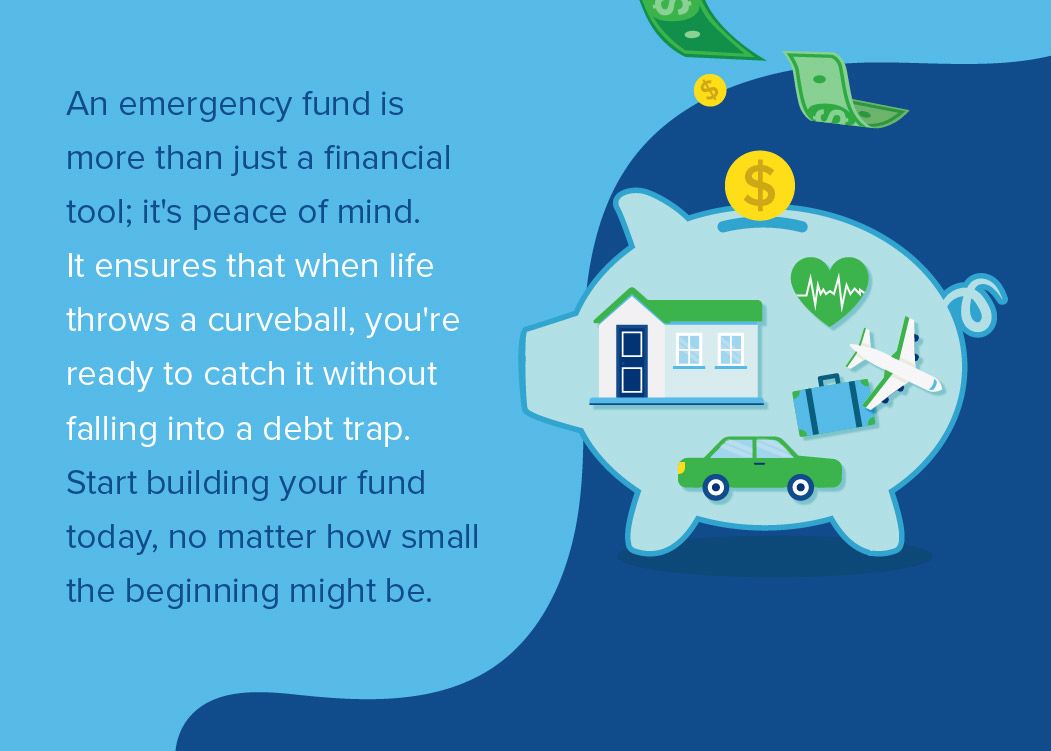
Future-proof your finances with these top tips to build an emergency fund.
Key takeaways
An emergency fund is more than just a financial tool; it's peace of mind. It ensures that when life throws a curveball, you're ready to catch it without falling into a debt trap. Start building your fund today, no matter how small the beginning might be.
For more tailored advice on establishing your emergency fund or other financial inquiries, don't hesitate to contact a Vectra Bank professional. We're here to guide you through every step of your financial journey.
Content is offered for informational purposes only and should not be construed as tax, legal, financial or business advice. Please contact a professional about your specific needs and advice. Content may contain trademarks or trade names owned by parties who are not affiliated with Zions Bancorporation, N.A. Use of such marks does not imply any sponsorship by or affiliation with third parties, and Zions Bancorporation, N.A. does not claim any ownership of or make representations about products and services offered under or associated with such marks.